Burger Island Tips: Master the Art of Fast-Paced Beach Cooking
Why Most Players Struggle in the First Few Levels
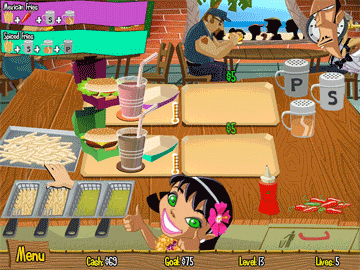
You click frantically between the grill and the shake machine, watching customers tap their feet while your burger patties slowly cook. A customer storms off, taking your invested ingredients with them. This is where most players bounce off Burger Island – they try to handle too many orders simultaneously instead of learning the rhythm of small-batch cooking.
The secret isn't speed alone. It's understanding that Burger Island rewards efficiency over chaos. Once you grasp the batching system and recipe priorities, those frantic early levels transform into a satisfying dance of precise timing and smart resource management.
Essential Burger Island Tips for New Players
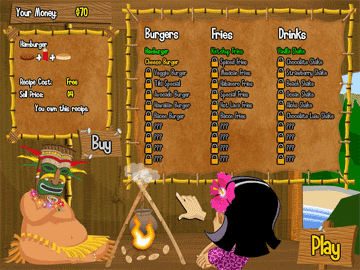
Start every level by scanning the available recipes at the chef's hut. New players often skip this step and miss crucial upgrades that make later stages actually achievable. Those gourmet burger recipes aren't just cosmetic – they pay significantly more per order, letting you hit revenue targets without serving twice as many customers.
Work in batches of two orders maximum. When you see three customers wanting burgers, resist the urge to throw three patties on the grill. Instead, complete two orders fully before starting the third. This prevents the dreaded scenario where multiple items finish cooking while you're assembling something else, leading to burned food and wasted money.
Use cooking time strategically. While burger patties grill, start prepping fries or milkshakes for other orders. The key is never standing idle – there's always something you can prep while waiting for timed items to finish.
Advanced Burger Island Strategies That Actually Work
Prioritize orders with shared ingredients. If two customers want items that both need cheese or lettuce, prepare those components together to minimize mouse movement. This becomes crucial in later levels where the pace demands every efficiency gain you can find.
Learn the abandonment rule early: if you haven't placed an item on a serving platter yet, you lose nothing when that customer leaves. Sometimes it's better to abandon a poorly-timed order and focus on customers you can actually serve successfully.
Master the plain burger shortcut. When you're behind on orders and need quick completions, a simple hamburger with just a cheese slice takes minimal time but still provides decent revenue. Save the complex gourmet recipes for when you have breathing room.
The game's difficulty curve hits hardest around level 15, where multiple recipe types unlock simultaneously. This is where your early habits matter most – players who learned efficient batching cruise through, while those still trying to multitask everything hit a wall.
Managing the Three Core Food Types
Burgers demand the most attention because of cooking time. Start these first in any batch, then use the grilling period to handle faster items. The visual cue system shows when patties are ready, but don't wait for the perfect moment – slightly early is better than burned.
Fries cook faster but require immediate attention once done. Unlike burgers, there's no grace period before they overcook. If you're handling multiple orders, finish your current assembly task before starting fries.
Milkshakes blend quickly but tie up the machine completely. Use these to fill gaps between burger batches, not during heavy cooking periods. The blender's all-or-nothing timing makes it terrible for multitasking.
Where other time management games like Diner Dash focus on seating strategy and customer patience, Burger Island puts the emphasis squarely on production timing. You're optimizing cooking sequences rather than managing dining room flow, which creates a distinctly different kind of pressure.
Recipe Upgrades and Money Management
Buy new recipes immediately when they unlock. The price increase is always worth the revenue boost, and delaying upgrades makes future levels unnecessarily difficult. That exotic fish sandwich might cost more upfront, but it pays for itself within a few orders.
Focus spending on recipes over equipment early on. Extra grills sound appealing, but better-paying menu items solve more problems than additional cooking capacity. You can handle most levels efficiently with the basic setup if your orders are worth more money.
Track which recipes your regular customers prefer. Some will consistently order the same items, letting you prep ingredients before they even approach. This pattern recognition becomes a significant advantage in the busiest levels.
Common Mistakes That Kill Your Progress
Don't chase perfect scores on your first playthrough. The bonus for keeping every customer happy is nice, but learning efficient cooking patterns matters more than perfect execution initially. You can always replay levels for better scores once you've mastered the mechanics.
Avoid the upgrade trap of buying everything available. Some equipment upgrades provide minimal benefit for their cost, especially early soft drink machines that few customers actually order from.
Never start complex orders when you're close to the timer limit. A half-finished gourmet burger wastes more money than serving a few quick plain items to hit your revenue target.
What Makes This Worth Your Time
Burger Island succeeds because it finds the sweet spot between accessible and challenging. The first few levels teach you the basics without pressure, but by level 20, you're managing complex order sequences that would overwhelm most casual players. It's genuinely satisfying when you finally nail a busy rush without dropping any orders.
The tropical setting and cheerful presentation keep the stress from feeling overwhelming, even during the most hectic levels. This isn't about workplace anxiety – it's about mastering a skill that feels rewarding rather than punishing. For players who enjoy optimization puzzles disguised as cooking games, those 60 levels provide exactly the right amount of escalating challenge.
Ready to play? Download the free trial of Burger Island and start playing today.