Cooking Academy Series: Why These Games Actually Teach You to Cook
Why I Almost Gave Up on Cooking Academy (And Why I'm Glad I Didn't)
The first time I booted up the original Cooking Academy, I lasted exactly twelve minutes. The opening tutorial had me clicking frantically to chop onions for what felt like an eternity, and when I finally plated my sad-looking appetizer, the game gave me a "C+" with zero explanation. I closed it and went back to my usual puzzle games.
Three weeks later, bored out of my mind during a rainy weekend, I gave it another shot. This time, I paid attention to the rhythm. The chopping wasn't random clicking - it wanted consistent, measured cuts. The timer wasn't there to stress me out; it was teaching me that real cooking has natural pacing. By the end of that session, I was making decent bruschetta and actually understanding why the game cared about my knife technique.
Most cooking games are just frantic clicking. The Cooking Academy series actually makes you learn.
The Original Cooking Academy: Where Precision Matters
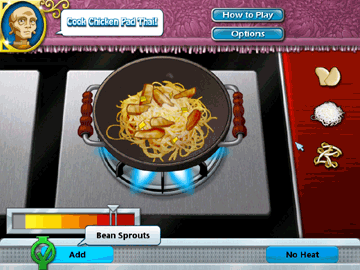
The first Cooking Academy throws you into a culinary school where sloppy technique gets you kicked out. You can't just mash buttons to make guacamole - the game tracks how evenly you dice the tomatoes, whether you mash the avocado to the right consistency, and if you add ingredients in the proper order. Mess up the timing on your crème brûlée torch work, and you'll be staring at a burnt mess instead of that perfect caramelized top.
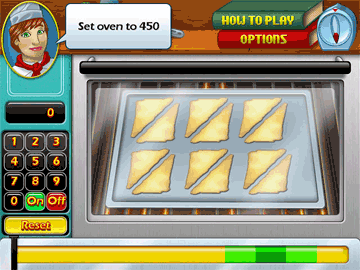
The grading system caught me off guard - it actually teaches timing. When I rushed through pancake batter mixing, I got marked down for "lumpy texture." When I took my time and followed the visual cues, watching the batter smooth out with each circular motion, I earned my first A+ and felt genuinely proud of a virtual breakfast.
The progression through appetizers, breakfast, lunch, dinner, and desserts forces you to master fundamentals before moving on. You can't unlock the dinner exam until you've proven you can handle morning basics like perfectly flipped eggs and golden-brown hash browns. Some players find this restrictive, but it mirrors how real culinary schools work - you don't jump to advanced techniques without nailing the basics.
Cooking Academy 2: World Cuisine Expands Your Palate

Cooking Academy 2: World Cuisine takes everything that worked in the original and adds global flavors that actually matter. Instead of just reskinning the same mechanics, each cuisine introduces region-specific techniques. Making sushi requires different knife work than preparing Italian pasta, and the game makes you feel that difference through distinct mini-games.
The Japanese section taught me about precise rice preparation - not just "stir until done," but watching for the exact moment when the grains achieve the right texture for rolling. The Italian levels focus on pasta timing, where overcooking by even a few seconds ruins your score. The Mexican cuisine segment emphasizes layering flavors, with complex dishes like mole requiring careful attention to spice balance.
Where the original game kept you in one kitchen, World Cuisine moves you through different restaurant settings. Each location has unique equipment and pacing. The Tokyo sushi bar operates at lightning speed with minimal prep time, while the Tuscan restaurant allows for slower, more methodical cooking. These aren't just cosmetic changes - they force you to adapt your playing style to match regional cooking philosophies.
The difficulty ramp feels more natural here. Early recipes in each region start simple to teach you the new mechanics, then layer on complexity. By the time you're preparing a full Mexican feast with multiple courses, you're juggling timing across several dishes simultaneously - just like a real chef during dinner rush.
Cooking Academy 3: Recipe for Success Perfects the Formula
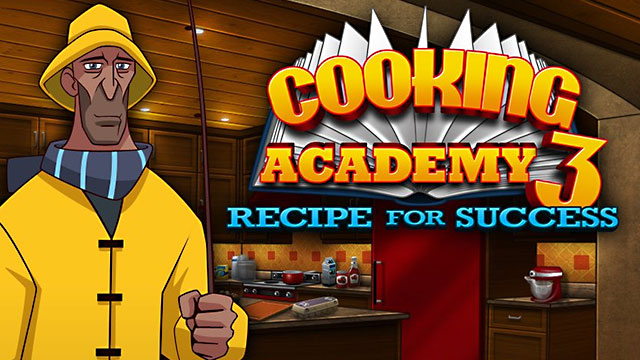
Cooking Academy 3: Recipe for Success represents the series at its most refined. The cookbook creation mechanic gives every recipe you master a permanent place in your collection, turning cooking into genuine skill building rather than temporary achievement hunting.
The standout addition is the mentor system, where expert chefs guide you through advanced techniques. Instead of just following on-screen prompts, you're learning the "why" behind each step. The pastry chef explains how humidity affects dough texture, while the grill master teaches you to read meat doneness by visual cues rather than just timer countdowns.
Recipe complexity reaches new heights here. Creating a perfect beef Wellington involves managing pastry dough consistency, meat temperature, mushroom moisture content, and assembly timing - all while keeping track of multiple cooking stations. Fail any component, and the entire dish suffers. It's unforgiving in the best way, demanding the kind of attention that real fine dining requires.
The themed levels - from comfort food classics to molecular gastronomy - cover more culinary ground than the previous games combined. Each theme introduces unique challenges: the molecular gastronomy section requires precise measurements down to the gram, while the comfort food levels emphasize intuitive cooking and adjusting recipes on the fly.
Which Cooking Academy Game Fits Your Style?
Here's what all three games get right: they make cooking feel like actual cooking, not just clicking random buttons. But each targets different types of players.
Start with the original Cooking Academy if you want structured learning with clear progression. It's the most forgiving about mistakes and gives you time to understand each technique before moving on. The recipe variety covers American comfort food basics that feel familiar, making it less intimidating for beginners.
Choose Cooking Academy 2: World Cuisine if you're ready for faster pacing and cultural variety. The international recipes require more complex ingredient management and timing, but reward you with dishes that feel authentically different from each other. This one demands better multitasking skills.
Go straight to Cooking Academy 3: Recipe for Success if you want the deepest cooking simulation. The mentor guidance and cookbook system make it the most educational, but also the most demanding. Expect to replay recipes multiple times to achieve mastery.
All three games share one crucial trait that separates them from typical time management games: they respect cooking as a craft. You're not just serving customers quickly - you're learning techniques that mirror real kitchen skills. That respect for the subject matter is what kept me coming back, long after that frustrating first session with those stubborn onions.