
Secrets of Salem: The Phantom Cab Review - Noir Mystery Meets Hidden Objects
For Players Who Love Dark Detective Stories, This Feels Like Coming Home
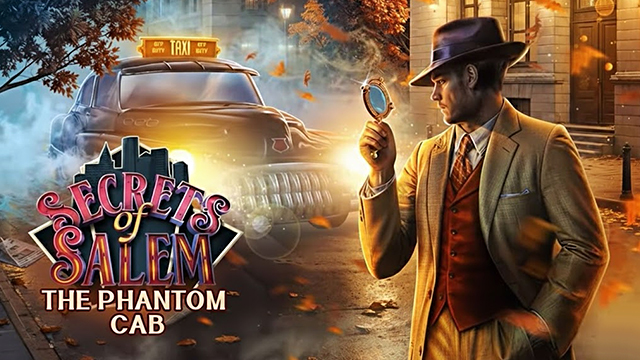
The phantom cab only appears when Salem's fog rolls thick enough to hide blood. In Secrets of Salem: The Phantom Cab, that's not just atmospheric flavor text - it's your first clue that Do Games built something darker than their usual hidden object fare. Where most HOPAs rush you through generic mystery plots, this one actually lets you sit with the dread of hunting a killer who might have already taken your brother.
Detective Victor Grayson isn't chasing random murders. He's following a trail of beheadings that mirrors his missing brother's last case, and every victim was last seen climbing into a silent black taxi. When you finally call that cab yourself - by solving an actual rotary phone puzzle instead of just clicking randomly - the weight hits you. You're not investigating this killer. You're probably riding with him.
The Investigation Loop That Actually Investigates
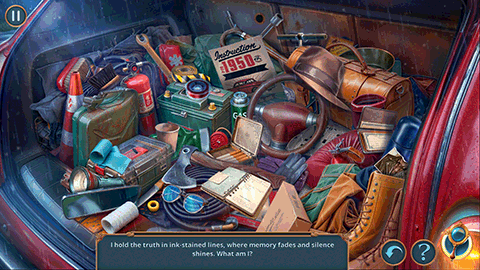
Your typical session starts with Victor examining a crime scene, but the hidden object searches feel like actual detective work. Instead of hunting for random kitchen utensils, you're collecting evidence: bloody fabric scraps, witness statements, occult symbols carved into doorframes. Each item feeds back into the case file you're building, not some arbitrary inventory system.
The puzzles connect to Salem's witchcraft lore in ways that make sense. When you're deciphering ritual circles, you're not just sliding tiles around - you're learning how Charles, the phantom cab driver, binds spirits to his will. When you're unlocking magical safes in the Old Church location, the combination comes from understanding Salem's witch trials, not trial-and-error clicking.
Partner Dakota Lovelace brings actual magical knowledge instead of just exposition dumps. She'll point out cursed objects you missed, explain why certain symbols matter, and help you navigate the supernatural politics that regular police work can't touch. The partnership feels necessary, not decorative.
1950s Noir That Actually Sounds Like 1950s Noir
This game gets that period atmosphere needs more than fedoras and cigarette smoke. The jazz saxophone drifts through rain-soaked streets at exactly the right volume - present but not overwhelming. Voice acting brings weight to Victor's guilt about his brother and Dakota's frustration with Salem's willful ignorance about its witch population.
The hidden object scenes capture that noir visual density where every shadow might hide evidence. Elliot's Secret Place, your missing brother's rooftop hideout, layers personal mementos with case files and occult research. You're not just finding objects - you're reconstructing your brother's final investigation through his scattered notes and hidden photographs.
Building on Shadow of the Witch
Do Games clearly learned from their previous Salem entry, Shadow of the Witch, and fixed most of the problems. Where that game felt scattered across too many supernatural threats, Phantom Cab focuses on one terrifying antagonist with personal stakes. Victor's search for his missing brother makes everything matter more than Shadow of the Witch's generic witch hunt.
The character development runs deeper this time. Victor carries genuine guilt about not taking his brother's phantom cab theories seriously, and that regret drives every conversation choice. When your brother might be the next victim, every puzzle matters instead of just killing time between story beats.
The Collector's Edition adds four substantial locations - the Depot Manager's Office, the Old Church, the Break Room, and Elliot's hideout - each packed with additional lore about Charles' past and Salem's magical underground. These aren't throwaway bonus scenes. They're where you find the tools to complete the binding ritual that might stop the killings.
Worth Noting: This One Takes Time to Breathe
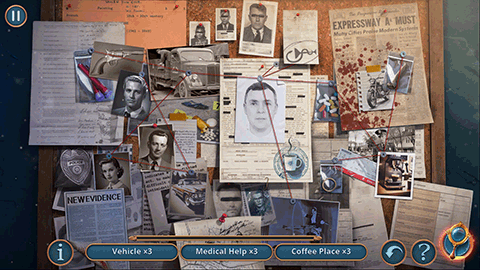
Phantom Cab moves slower than most hidden object games, especially in the opening chapter where you're still learning the rules of Salem's supernatural ecosystem. The game wants you to read every journal entry and examine every piece of evidence, which some players might find methodical rather than thrilling.
That pacing pays off when the personal stakes escalate. By the time you're facing Charles directly, you understand exactly why he's killing and what it costs Victor to stop him. The emotional investment makes the final puzzles feel urgent instead of routine.
The Verdict: Phantom Cab Delivers Genuine Noir Tension
Secrets of Salem: The Phantom Cab succeeds because it treats its noir atmosphere seriously instead of as window dressing. Players who appreciate slow-burn detective stories will find themselves genuinely invested in Victor's search for his brother. The hidden object scenes feel like evidence gathering, the puzzles connect to Salem's dark history, and the supernatural elements enhance the mystery instead of overwhelming it.
If you enjoyed Shadow of the Witch but wanted more personal stakes, this delivers exactly that upgrade. If you're new to the Salem series, Phantom Cab works perfectly as a standalone entry that might send you back to explore Do Games' earlier work. Either way, you're looking at a solid evening of detective work where the fog never quite lifts and every taxi ride might be your last.
Ready to play? Download the free trial of Secrets of Salem: The Phantom Cab and start playing today.