Mastering Diner Dash: Essential Tips for Time Management Success
Why Your First Hour Feels Like Chaos
That moment when three customers start fuming simultaneously while you're carrying a tray of food to the wrong table—that's when most people realize Diner Dash isn't just about clicking fast. You're standing in the middle of a virtual restaurant, watching your carefully planned seating chart crumble as the Hungry Man taps his fingers and the Celebrity demands immediate attention.
The game tricks you at first. Those early levels feel manageable, almost relaxing. Seat a couple, take their order, serve the food, collect payment. But by level 10, you're juggling reservation tables, moving furniture to accommodate larger groups, and trying to remember which customer gets upset fastest when their food is delayed.
The Chain System Changes Everything
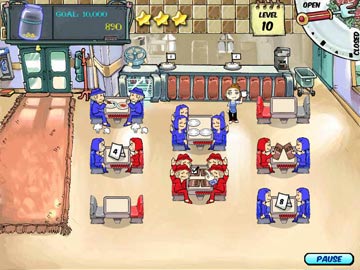
Here's what the tutorial doesn't emphasize enough: chaining identical actions together multiplies your points and efficiency dramatically. Instead of bouncing between seating one customer, taking one order, and serving one dish, group similar tasks into sequences.
Watch how this works in practice. When four groups arrive within seconds of each other, resist the urge to seat them one by one. Instead, seat all four groups in rapid succession—you'll see your combo meter climb and your point total spike. The same principle applies to order-taking, food delivery, and payment collection.
The difference in scoring is substantial. A single action might earn 50 points, but the fourth action in a chain can net you 200 points or more. Over a full level, this approach often means the difference between barely scraping by and achieving expert scores.
Reading Customer Patience Like a Pro
Customer hearts aren't just decoration—they're your early warning system. Each customer type has different patience levels and tipping behaviors, but the heart system works consistently across all of them.
A customer with four hearts is content and will tip generously. Three hearts means they're getting antsy but still manageable. Two hearts signals real urgency—serve them within the next 30 seconds or risk losing them entirely. One heart means you're in crisis mode.
The key insight: prioritize by heart level, not arrival order. That businessman who arrived first but still has three hearts can wait while you rescue the family with one heart who's about to storm out. This triage approach prevents the cascading failures that sink most attempts at higher levels.
Color Matching for Maximum Points
Every customer has a preferred seat color, and matching them correctly adds significant bonus points to your final score. The Businesswoman prefers blue chairs, while the Jogger gravitates toward green. These aren't random preferences—they're consistent patterns you can memorize and exploit.
In early levels, color matching feels optional since you have plenty of empty tables. But as restaurants get busier and table turnover becomes critical, those bonus points often determine whether you hit expert score thresholds. A perfectly color-matched level can earn 20-30% more points than random seating.
The strategic element emerges when you have limited seating options. Sometimes you'll need to choose between seating a high-patience customer at their preferred color or placing an impatient customer at any available table. Generally, preventing walkouts trumps color bonuses, but close calls require quick judgment.
Advanced Table Management Strategies
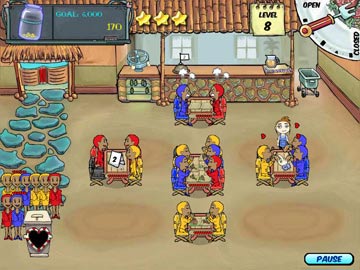
Moving tables together for larger groups sounds simple until you're doing it under pressure. The feature works smoothly—drag one table next to another and they automatically combine—but timing matters enormously.
Combine tables during natural lulls, not when customers are already waiting. The animation takes several seconds, during which you can't use either table. Plan these moves between customer waves or while food is cooking in the kitchen.
Table positioning also affects your movement efficiency. Clustering tables near the kitchen reduces Flo's walking time for food delivery, while keeping some tables near the entrance speeds up seating. The optimal layout depends on each restaurant's specific floor plan, but the principle remains: minimize unnecessary steps.
Managing the Reservation System
Reservations add a new layer of complexity that can either streamline your service or create bottlenecks. Reserved tables show a small flower icon and guarantee bonus points when used correctly, but they also remove seating flexibility during busy periods.
The trick is treating reservations as time-sensitive appointments rather than suggestions. A reserved table left empty during peak hours wastes potential revenue from walk-in customers. Use them promptly when the designated customers arrive, but don't let them sit idle for extended periods.
Flowers at tables provide happiness bonuses that increase tips and patience, but they require periodic replacement. Budget time for flower maintenance during slower moments—never during rush periods when every second counts for critical service tasks.
Common Mistakes That Kill Expert Scores
Breaking chains accidentally happens more often than you'd think. You're building a nice combo taking orders from three tables, then instinctively click to seat a new arrival. Chain broken, bonus points lost. Train yourself to complete full chains before switching task types.
Over-seating creates artificial bottlenecks. Just because you have empty tables doesn't mean you should fill them all immediately. Stagger seating so order-taking and food delivery stay manageable. A steady flow beats overwhelming bursts every time.
Ignoring the kitchen timer leads to burnt food and angry customers. Keep one eye on cooking progress while managing front-of-house tasks. Food that sits too long in the kitchen window costs you points and customer satisfaction.
Level Progression and Difficulty Scaling
Each restaurant introduces new customer types with unique behaviors and patience levels. The Hungry Man orders multiple courses and tips well but gets impatient quickly. The Celebrity demands immediate attention but rewards exceptional service generously. Learning these patterns takes several levels per restaurant type.
Difficulty scaling happens gradually, then suddenly. Level 15 might feel manageable, then level 16 throws twice as many customers with half the patience. These difficulty spikes aren't random—they're designed to test whether you've mastered the previous restaurant's mechanics before moving forward.
Endless Shift mode removes the safety net of level completion, creating pure endurance challenges. Your efficiency systems need to work automatically by this point because the pace never slows down. It's where casual players discover whether they've truly mastered the core mechanics or just memorized specific level solutions.
Why Diner Dash Still Works After Two Decades
The genius of Diner Dash lies in how it transforms mundane service work into compelling puzzle-solving. Every level presents the same basic challenge—serve customers efficiently—but with constantly shifting variables that prevent autopilot solutions.
Unlike many time management games that rely on complex upgrade trees or storylines, Diner Dash keeps the focus on pure execution. Your success depends entirely on reading situations quickly and making smart prioritization decisions under pressure. No amount of grinding or purchased power-ups can substitute for developing genuine skill at the core mechanics.
The learning curve rewards patience without punishing mistakes harshly. Failed levels restart quickly, and the scoring system provides clear feedback about what went wrong. You're never left wondering why a strategy didn't work—the heart system and point breakdowns tell the whole story.
Ready to play? Download the free trial of Diner Dash and start playing today.