The 10 Best Hidden Object Games for PC (and Which to Play First)
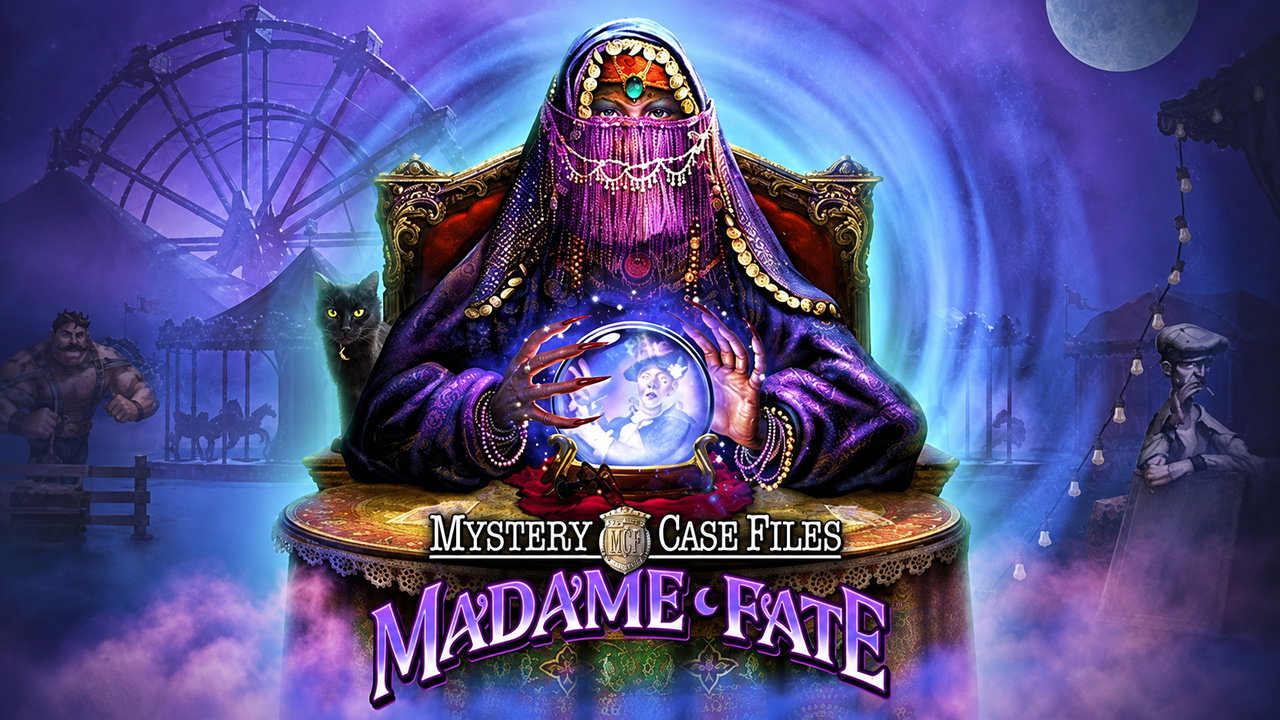
The best hidden object games for PC all share one moment: you have stared at the same cluttered attic for two minutes, convinced the pocket watch is not there, and then it snaps into view between a teacup and a stack of letters. That little jolt is the whole genre. The question is which game delivers it best for you.
We carry over 800 hidden object games, so here is the short list. These ten are the ones we point people to first, ordered from "start here" to "you are hooked, now go deeper." Every one has a free trial.
Quick Picks: The Best Hidden Object Games for PC at a Glance
- Mystery Case Files: Huntsville: the classic that started it all
- Mystery Case Files: Ravenhearst: the haunted-manor favorite
- Mystery Case Files: Madame Fate: a carnival whodunit with multiple endings
- Mystery Case Files: Return to Ravenhearst: the modern adventure version of the series
- Hidden Expedition: Titanic: history-themed searching aboard the wreck
- Hidden Expedition: Everest: a clue race around the world
- Mortimer Beckett and the Time Paradox: lighthearted time travel
- Clutter 19: Survey Says What?: pure searching, no story
- Hidden Weekend: The American Getaway: the cozy, low-stress pick
- Dark Town Secrets: The Last Burger: a creepy modern mystery
Two Kinds of Hidden Object Games
Before you pick, know which camp you are in. Classic list games give you a scene and a list of 10 or 15 items to find, then move you to the next scene. They are quick, and you can stop after any level. Hidden object adventures (fans call them HOPAs) wrap those scenes in an explorable story: you pick up a crowbar in one room, use it to open a crate three rooms later, and solve logic puzzles along the way. A HOPA is closer to a mystery novel; a list game is closer to a crossword.
Most people start with one and end up loving both. The list below mixes them on purpose.
1. Mystery Case Files: Huntsville
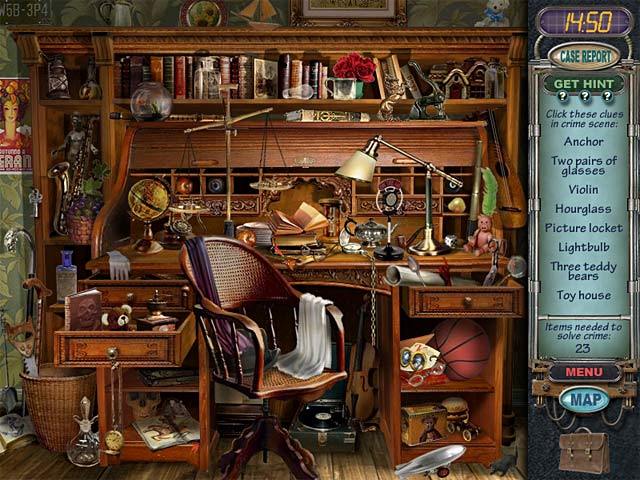
A crime spree has the Huntsville police stumped, and you are the Master Detective they call in. Each of the 15-plus cases sends you through crime scenes packed with evidence, then asks you to piece together a torn photo of the suspect. Object positions shuffle when you revisit a location, so the second pass through a scene is not a freebie.
It is a classic list game, and that is why it is first: you learn to scan a scene in sections instead of darting your eyes around, and every game after this gets easier. Read our full Huntsville review if you want the details.
2. Mystery Case Files: Ravenhearst
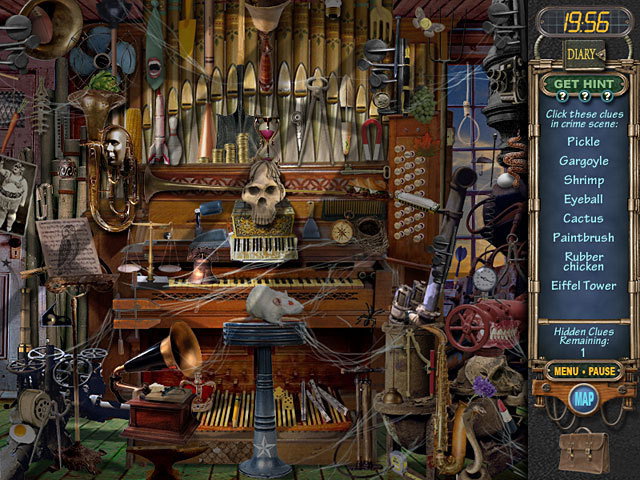
Ravenhearst moves the series into a single haunted manor, and it is the game that turned a lot of casual players into lifelong fans. You search room after room, collecting torn diary pages that slowly reveal what happened in the house. The searching is still list-based, but the manor gives it a sense of place: you start recognizing rooms and dreading the ones you have not opened yet.
More atmosphere than Huntsville, still easy to pick up. Our Ravenhearst retrospective explains why it holds up.
3. Mystery Case Files: Madame Fate
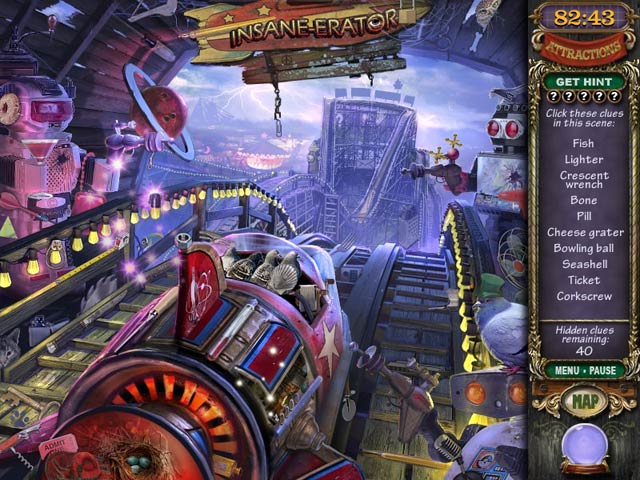
Madame Fate sets you loose in a carnival with one question to answer: which of the suspects is responsible for the fortune teller's demise? You interview a cast of colorful carnival characters and search the grounds for clues, with crystal balls and tarot cards turning up as tools in the investigation. How quickly and accurately you solve the puzzles decides which of several endings you see.
The carnival setting means every scene is crammed with color and junk, which makes this one a notch harder on the eyes than Ravenhearst. Pick it third if you liked the first two and want a bigger challenge with the same comfortable format. Our Madame Fate retrospective covers how it plays today.
4. Mystery Case Files: Return to Ravenhearst
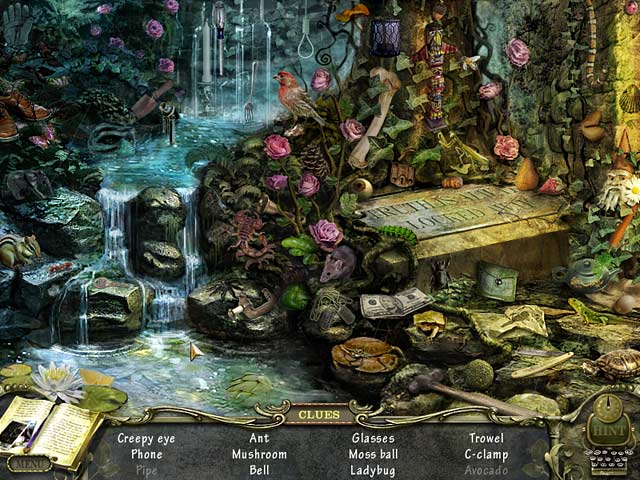
This is where the series becomes a full adventure. Return to Ravenhearst sends you back into the cursed estate, but now you explore over 150 scenes, decode messages and carry items between rooms to solve puzzles. If you played the original Ravenhearst, walking back into rooms you remember, now changed, is a genuinely eerie moment.
Slower than the list games, and you will spend more time thinking than scanning. That is the trade: fewer quick hits, a much bigger mystery.
5. Hidden Expedition: Titanic
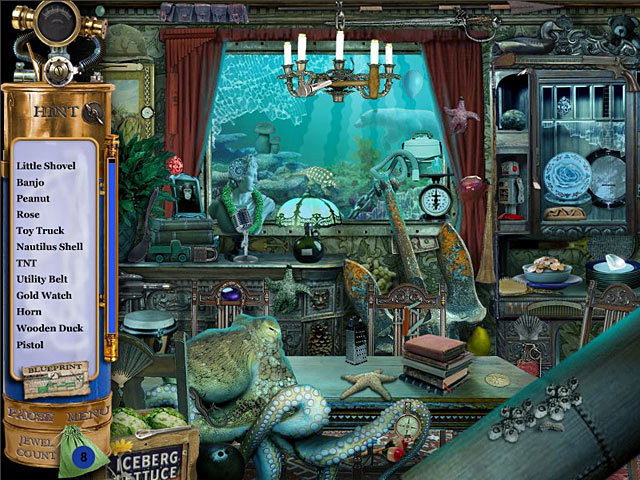
Hidden Expedition: Titanic has you diving the wreck in search of lost Crown Jewels. Across 20 levels you sift debris for artifacts, with mini-games breaking up the searching. The historical setting adds weight: you are not hunting random clutter, you are recovering pieces of a real ship's story.
Faster-paced than Mystery Case Files, with less story. A good pick for short sessions.
6. Hidden Expedition: Everest
Hidden Expedition: Everest turns the formula into a race. You are competing in an expedition, hunting clues in locations around the world on the way to the summit. The competition framing gives each scene a little urgency that the more relaxed games on this list do not have.
If Titanic clicked, play this next.
7. Mortimer Beckett and the Time Paradox
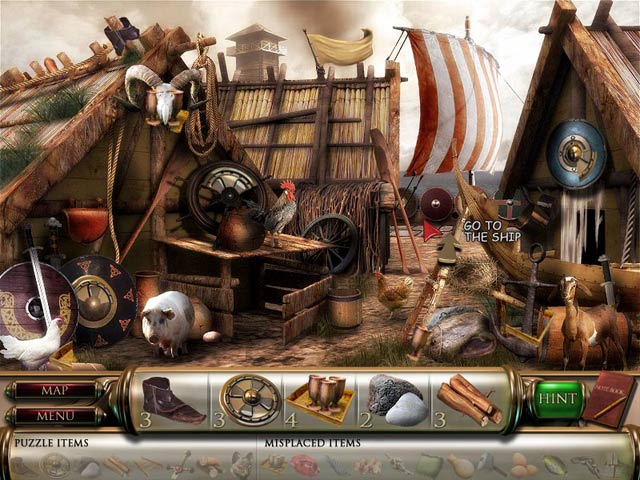
Not every hidden object game has to be spooky. Mortimer Beckett and the Time Paradox sends its bumbling hero through eight historical eras to collect the pieces of a time bomb and close a portal. The scenes are bright and a bit silly, and the series mixes in light building puzzles that make you use what you find.
The best choice on this list if dark mansions are not your thing. If you like it, our list of games like Mortimer Beckett has more.
8. Clutter 19: Survey Says What?
Clutter strips the genre to its purest form: a mountain of overlapping junk, and you pull matching pairs off the pile until the board is clear. No story, no inventory, no list. Just piles. It sounds simple and it is ferociously hard to put down, because every pair you remove reveals three more.
Pick it if you love the searching and could not care less about plot. Our Clutter 19 review covers the new modes.
9. Hidden Weekend: The American Getaway
Hidden Weekend is the antidote to haunted houses. You search scenes to build and decorate a dream retreat, with no ghosts, no curses and no ticking clock. It is the game to play with a cup of tea at the end of a long day.
The lowest-stress pick here. See our Hidden Weekend review, or browse more cozy hidden object games.
10. Dark Town Secrets: The Last Burger
At the other end of the mood scale, Dark Town Secrets: The Last Burger is a modern hidden object adventure built around a sinister mystery at a small-town burger joint. It has the polish of a current release: detailed scenes, a proper inventory and puzzles that build on each other.
Play it when you have finished the Mystery Case Files classics and want to see what the genre looks like today. Our Last Burger review has more.
Which Hidden Object Game Should You Play First?
Pacing, thinking and control split these games more than theme does. The list games (Huntsville, Ravenhearst, Madame Fate, the Hidden Expeditions) are quick scanning bursts you can stop after any level. The adventures (Return to Ravenhearst, Dark Town Secrets) ask for longer sessions and more planning, since you are carrying items between rooms. Clutter is all eyes and no planning, and Hidden Weekend lets you set the pace entirely.
- Brand new to the genre? Start with Mystery Case Files: Huntsville.
- Want a story? Ravenhearst, then Return to Ravenhearst.
- Want to relax? Hidden Weekend.
- Want pure searching? Clutter 19.
- Not into spooky? Mortimer Beckett and the Time Paradox.
When you are ready for more, browse all hidden object games for PC on GameFools. With 800-plus to choose from and a free trial on every one, the only risk is losing an evening to an attic you were sure you had already searched.